
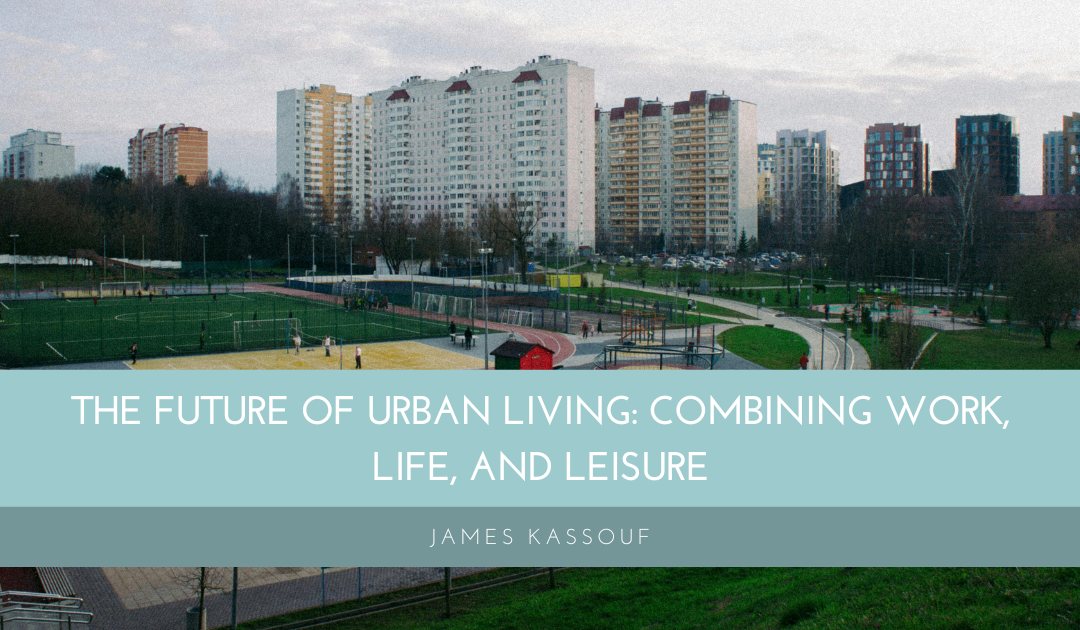
Urban living is entering a new era—one defined not by separation, but by integration. For decades, cities were designed around distinct zones: business districts for work, residential neighborhoods for living, and entertainment hubs for leisure. Today, that model is being reimagined. The future of urban living lies in seamlessly blending these elements into cohesive, multi-functional environments that better reflect how people actually live.
Driven by shifting workforce dynamics, evolving lifestyle expectations, and rapid technological advancements, modern cities are becoming more adaptive and human-centered. The convergence of work, life, and leisure is no longer a luxury—it’s quickly becoming the standard.
Redefining the Work-Life Balance
The traditional 9-to-5 routine has undergone a dramatic transformation. Remote work, freelancing, and hybrid job models have changed how—and where—people work. As a result, urban residents are placing greater value on flexibility and convenience in their daily lives.
Mixed-use developments are at the forefront of this shift. By incorporating co-working spaces, home offices, and shared work hubs within residential areas, these environments eliminate the need for long commutes and rigid schedules. Professionals can now move seamlessly from their living room to a nearby workspace, or even a café within the same complex.
This redefinition of work-life balance also emphasizes well-being. Access to green spaces, fitness centers, and relaxation areas within close proximity helps individuals maintain both productivity and mental health. Instead of compartmentalizing work and personal life, urban living is evolving to support a more fluid and balanced experience.
Designing Spaces for Community and Convenience
One of the most significant aspects of this urban evolution is the focus on community-centric design. Future cities are not just collections of buildings—they are ecosystems built to foster connection, engagement, and accessibility.
Developers are increasingly prioritizing walkability and accessibility. Residents can access grocery stores, restaurants, healthcare facilities, and entertainment options without needing a car. This not only saves time but also enhances the overall quality of life.
Shared spaces play a crucial role in this transformation. Rooftop gardens, communal lounges, cultural centers, and public plazas encourage interaction among residents and visitors. These areas create opportunities for social engagement, collaboration, and cultural exchange, making urban environments more vibrant and inclusive.
Additionally, the integration of retail and leisure within residential and workspaces supports local businesses and strengthens community ties. Instead of traveling across the city, people can enjoy dining, shopping, and entertainment right where they live. This sense of convenience is a key driver behind the growing popularity of integrated urban developments.
The Role of Technology and Sustainability
Technology is a powerful enabler of this new urban lifestyle. Smart city solutions are transforming how people interact with their surroundings, making daily life more efficient and connected. From mobile apps that manage building access and amenities to smart energy systems that optimize resource use, technology enhances both convenience and sustainability.
For example, residents can reserve shared workspaces, book fitness classes, or receive real-time updates about community events—all from their smartphones. These digital tools create a seamless living experience, where everything is interconnected and easily accessible.
Sustainability is equally important in shaping the future of urban living. As environmental concerns grow, cities are adopting greener practices to reduce their ecological footprint. Mixed-use developments contribute to this effort by promoting walkability, reducing reliance on vehicles, and optimizing land use.
Green building materials, renewable energy sources, and energy-efficient systems are becoming standard features in modern developments. Urban planners are also incorporating green spaces, such as parks and vertical gardens, to improve air quality and provide residents with natural environments within dense city settings.
By combining technology with sustainable design, cities are not only becoming smarter but also more resilient and environmentally responsible.
Conclusion
The future of urban living is centered around integration, adaptability, and human experience. By combining work, life, and leisure into unified spaces, cities are evolving to meet the needs of a modern, dynamic population.
This shift is more than just a trend—it represents a fundamental change in how urban environments are designed and experienced. People are no longer willing to sacrifice time, convenience, or well-being for the sake of traditional city structures. Instead, they are seeking environments that support every aspect of their lives in a cohesive and meaningful way.
As developers, planners, and communities continue to embrace this approach, the cities of tomorrow will be more connected, efficient, and vibrant than ever before. The integration of work, life, and leisure is not just shaping the future of urban living—it is redefining what it means to truly live well in a modern city.