
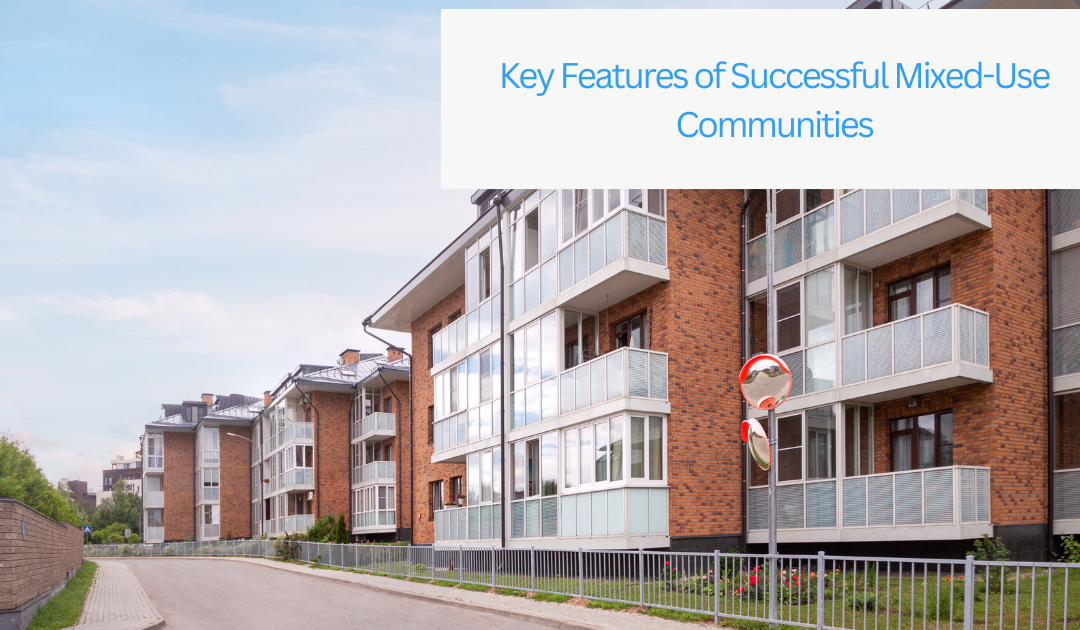
As cities continue to grow and evolve, mixed-use communities have become a preferred approach to modern urban development. By integrating residential, commercial, office, entertainment, and public spaces into a single development, these communities create vibrant environments where people can live, work, shop, and socialize without traveling long distances. Successful mixed-use developments not only enhance convenience but also contribute to economic growth, sustainability, and improved quality of life.
However, not every mixed-use project achieves long-term success. The most thriving communities are carefully planned with a focus on functionality, accessibility, and the needs of residents and businesses alike. Here are the key features that define successful mixed-use communities.
1. Strategic Location
Location is one of the most important factors in the success of any mixed-use development. Projects situated near transportation hubs, business districts, schools, healthcare facilities, and recreational areas naturally attract more residents and visitors.
Easy access to highways, public transit, bike lanes, and pedestrian pathways makes commuting more convenient while increasing property value. A strategically located mixed-use community also encourages businesses to establish operations, creating a healthy balance between residential and commercial activity.
2. Balanced Property Mix
A successful mixed-use community combines different property types in a way that complements one another. Residential apartments, office spaces, retail stores, restaurants, healthcare facilities, and entertainment venues should coexist without one dominating the development.
A balanced property mix ensures that people have access to essential services while creating consistent foot traffic throughout the day. Office workers support local restaurants during lunch hours, while residents and visitors contribute to evening and weekend business activity.
3. Walkability and Accessibility
Walkability is one of the defining characteristics of successful mixed-use developments. Well-designed pedestrian pathways, bike-friendly streets, public plazas, and green spaces encourage people to move around without relying heavily on vehicles.
Reducing dependence on cars not only lowers traffic congestion but also creates healthier, more environmentally friendly communities. Accessibility should also include features for individuals with disabilities, ensuring everyone can comfortably navigate the area.
4. Quality Public Spaces
Public spaces play a significant role in bringing communities together. Parks, courtyards, outdoor seating areas, community gardens, and event spaces provide opportunities for residents to interact, relax, and participate in local activities.
These shared spaces foster a stronger sense of community while making the development more attractive to potential residents, businesses, and investors. Regular community events, farmers’ markets, and cultural festivals can further strengthen neighborhood engagement.
5. Diverse Retail and Service Options
Convenience is one of the primary reasons people choose mixed-use communities. Successful developments include a diverse range of retail stores and essential services such as grocery stores, pharmacies, fitness centers, cafes, restaurants, banks, and childcare facilities.
Having these amenities within walking distance improves residents’ daily lives while creating reliable customer traffic for local businesses. A healthy mix of national brands and locally owned businesses also adds character and supports economic diversity.
6. Sustainable Design
Sustainability has become an essential component of modern real estate development. Successful mixed-use communities incorporate environmentally responsible design practices such as energy-efficient buildings, solar power systems, rainwater harvesting, green roofs, and waste reduction initiatives.
Green building materials and efficient resource management help lower operating costs while reducing environmental impact. Sustainable developments are also increasingly attractive to environmentally conscious residents, businesses, and investors.
7. Strong Community Planning
Mixed-use developments should be designed with long-term community growth in mind rather than focusing solely on immediate financial returns. Effective planning considers future population growth, changing business needs, and evolving lifestyle preferences.
Developers who prioritize flexible building designs can adapt spaces over time as market demands change. This long-term vision helps maintain occupancy rates and property value while reducing the risk of outdated infrastructure.
8. Safety and Security
People are more likely to live, work, and spend time in communities where they feel safe. Successful mixed-use developments invest in well-lit streets, surveillance systems, secure building access, emergency response planning, and active property management.
The presence of residents, employees, and visitors throughout the day also creates natural surveillance, often referred to as “eyes on the street,” which helps discourage crime and increases overall safety.
9. Smart Technology Integration
Technology is transforming the way mixed-use communities operate. Smart building systems improve energy efficiency through automated lighting, heating, and cooling controls. Digital parking management, mobile access systems, electric vehicle charging stations, and high-speed internet connectivity enhance convenience for both residents and businesses.
As smart city initiatives continue to expand, technology-driven infrastructure will become an increasingly valuable feature of successful developments.
10. Economic Resilience
One of the greatest strengths of mixed-use communities is their ability to withstand market fluctuations. Because they generate income from multiple sources—including residential leases, commercial rentals, retail tenants, and office spaces—they are often more resilient than single-purpose developments.
A diversified tenant base helps reduce financial risk and supports stable cash flow even during changing economic conditions. This resilience makes mixed-use properties attractive to investors seeking long-term returns.
Conclusion
Successful mixed-use communities are much more than collections of buildings—they are thoughtfully planned environments designed to support modern lifestyles. By combining strategic locations, diverse property uses, walkable infrastructure, quality public spaces, sustainability, advanced technology, and strong community planning, these developments create places where people genuinely want to live, work, and connect.
As urban populations continue to grow and cities embrace smarter development strategies, mixed-use communities will play an increasingly important role in shaping the future of real estate. For developers, investors, businesses, and residents alike, understanding the key features of successful mixed-use communities is essential for making informed decisions and building environments that remain valuable for years to come.