
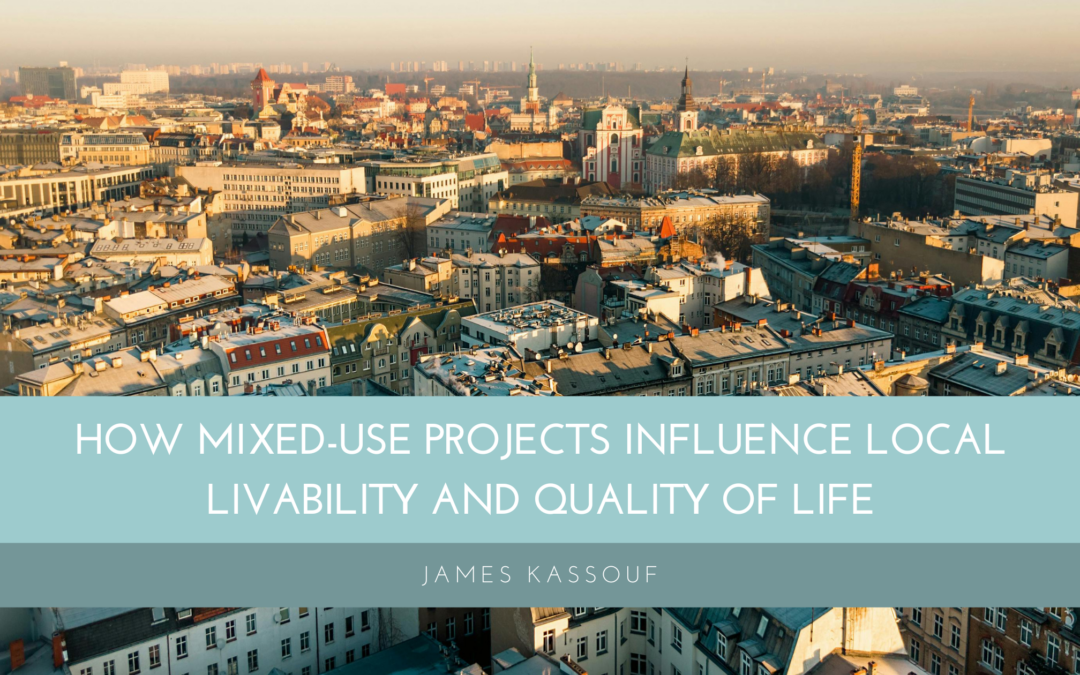
As cities evolve to meet the needs of growing populations, mixed-use developments have emerged as a powerful tool in shaping more livable, connected, and vibrant communities. By integrating residential, commercial, cultural, and recreational spaces into a single, walkable environment, mixed-use projects are redefining how people experience daily life. Beyond real estate performance and investment returns, these developments play a meaningful role in enhancing local livability and overall quality of life.
In 2026 and beyond, the conversation around urban growth is no longer just about density — it’s about intentional design that improves how people live, interact, and thrive.
Creating Walkable, Connected Neighborhoods
One of the most immediate ways mixed-use projects improve livability is by promoting walkability. When housing, offices, grocery stores, restaurants, healthcare facilities, and entertainment venues are located within close proximity, residents can accomplish daily tasks without relying heavily on cars.
This has several benefits:
-
Reduced traffic congestion
-
Lower transportation costs
-
Decreased carbon emissions
-
Improved physical health through walking and cycling
Walkable neighborhoods also foster spontaneous social interaction. Casual encounters at cafés, parks, and retail spaces help create a sense of belonging that traditional, single-use zoning often lacks. Over time, this connectivity strengthens neighborhood identity and encourages long-term residency.
Strengthening Community Engagement
Mixed-use projects naturally bring diverse groups of people together — residents, workers, business owners, and visitors. When thoughtfully designed, these developments include public gathering areas such as plazas, green spaces, rooftop gardens, and community centers.
These shared spaces become hubs for:
-
Local events and markets
-
Cultural festivals
-
Outdoor performances
-
Fitness classes and wellness activities
Community-oriented programming transforms a development from a collection of buildings into a living social ecosystem. This consistent engagement builds trust, supports local businesses, and reinforces civic pride.
Residents who feel connected to their neighborhood are more likely to participate in community initiatives, support local establishments, and invest emotionally in the area’s long-term success.
Improving Access to Essential Services
Livability is deeply connected to accessibility. Mixed-use developments make essential services more convenient and inclusive. When healthcare clinics, childcare facilities, grocery stores, and public transportation are integrated into the neighborhood design, residents save time and reduce stress.
This is particularly impactful for:
-
Seniors who prefer aging in place
-
Families with young children
-
Individuals without access to private vehicles
-
Remote and hybrid workers
By reducing the need for long commutes or multiple transportation modes, mixed-use environments simplify daily life and increase overall satisfaction.
Supporting Economic Vitality
Local quality of life is closely tied to economic opportunity. Mixed-use developments stimulate job creation by attracting retail, hospitality, office, and service businesses into one cohesive district.
The presence of built-in residential density provides consistent customer traffic, which supports small businesses and encourages entrepreneurship. In turn, thriving local businesses create employment opportunities and strengthen the economic foundation of the neighborhood.
Additionally, property value stability in well-executed mixed-use projects can benefit surrounding areas, contributing to municipal tax revenue that funds public infrastructure, schools, and community services.
When economic growth is balanced with thoughtful planning, the result is a more resilient and self-sustaining community.
Encouraging Sustainable Living
Sustainability plays a critical role in modern livability. Mixed-use projects often prioritize environmentally conscious design elements such as:
-
Energy-efficient construction
-
Green roofs and landscaped public areas
-
Water conservation systems
-
Electric vehicle charging stations
-
Transit-oriented layouts
By reducing car dependency and encouraging compact development, these projects help limit urban sprawl and preserve open land.
Green spaces integrated into mixed-use districts offer mental health benefits as well. Access to parks, trees, and natural elements reduces stress, improves air quality, and creates a calming urban environment.
In 2026, residents increasingly prioritize environmentally responsible communities, and mixed-use developments align naturally with those expectations.
Enhancing Safety and Vibrancy
A well-designed mixed-use neighborhood is active throughout the day and evening. Morning commuters, lunchtime shoppers, evening diners, and residential tenants create consistent foot traffic.
This continuous presence contributes to:
-
Increased natural surveillance
-
Lower crime rates
-
Greater public safety perception
Streets that are lively and well-lit feel safer than isolated commercial zones that empty after business hours. Vibrancy also improves the overall urban experience, making neighborhoods more attractive to both residents and visitors.
The combination of residential occupancy and active commercial storefronts keeps public areas animated and welcoming.
Promoting Social Diversity and Inclusion
Mixed-use developments can support inclusivity when they incorporate a range of housing options and price points. By blending market-rate apartments, workforce housing, and retail spaces catering to diverse demographics, developers can create communities that reflect broader urban populations.
Inclusive planning ensures that:
-
Young professionals
-
Families
-
Retirees
-
Small business owners
all have a place within the same neighborhood.
When socioeconomic diversity is preserved, communities become more dynamic and culturally rich. Thoughtful policy support and zoning flexibility can further enhance affordability and prevent displacement, maintaining the social fabric that makes neighborhoods unique.
Addressing Potential Challenges
While mixed-use projects offer many advantages, their success depends on careful planning. Poorly executed developments can lead to overcrowding, insufficient parking solutions, or inadequate infrastructure.
Key considerations include:
-
Balanced traffic management
-
Proper public transportation access
-
Community input during planning phases
-
Thoughtful tenant mix selection
Collaboration between developers, city planners, and residents is essential to ensure that growth enhances rather than disrupts livability.
The Long-Term Impact on Quality of Life
Ultimately, mixed-use projects reshape how individuals experience urban living. They reduce friction in daily routines, create opportunities for connection, and support healthier, more sustainable lifestyles.
Quality of life improves when people can:
-
Walk to work or school
-
Access services easily
-
Spend less time commuting
-
Engage with neighbors regularly
-
Enjoy safe, vibrant public spaces
As cities continue to grow, the emphasis will increasingly shift from expansion to optimization — making existing urban spaces more efficient, inclusive, and enjoyable.
Mixed-use developments represent a strategic and human-centered approach to that goal. By aligning economic vitality, environmental responsibility, and social connectivity, they do more than change skylines — they elevate the everyday experience of the people who call those communities home.
In shaping the future of urban living, mixed-use projects stand at the intersection of smart planning and meaningful impact, directly influencing local livability and long-term quality of life.