
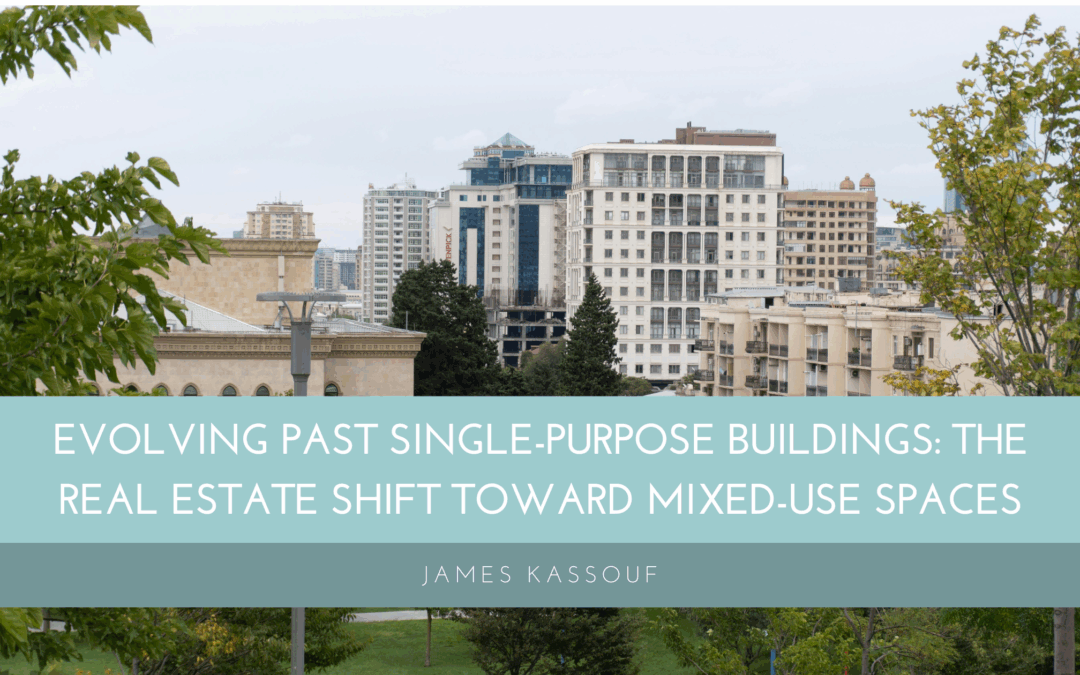
For much of the twentieth century, real estate development followed a clear and rigid formula. Office buildings were designed exclusively for work, residential towers for living, and retail centers for shopping. While this single-purpose approach supported rapid urban expansion, it also created cities that were segmented, inefficient, and increasingly misaligned with modern lifestyles. Today, that model is giving way to a more integrated vision. Mixed-use spaces are redefining how real estate functions and how people experience the built environment.
Why Single-Purpose Buildings Are Losing Relevance
Single-purpose buildings rely heavily on predictable usage patterns. Offices fill during business hours and sit empty at night. Retail centers peak on weekends. Residential areas quiet down during the day. This uneven activity leaves large portions of urban real estate underutilized, while contributing to congestion and long commutes.
Recent shifts in work patterns, particularly the rise of remote and hybrid work, have further exposed the limitations of this model. Office occupancy has become less consistent, challenging the long-term viability of buildings designed for one narrow function. Investors and developers are increasingly recognizing that flexibility—not specialization—is key to resilience.
The Rise of Mixed-Use as a Strategic Response
Mixed-use developments combine residential, commercial, retail, hospitality, and public spaces within a single property or district. This integration allows buildings to remain active throughout the day and evening, supporting consistent foot traffic and diversified revenue streams.
From an investment perspective, mixed-use properties spread risk across multiple asset types. When one component experiences slower demand, others can help stabilize performance. This adaptability makes mixed-use projects more resilient to economic cycles and shifting consumer behavior.
Aligning Real Estate with Modern Lifestyles
Today’s residents and workers value convenience, experience, and connection. Mixed-use spaces respond directly to these priorities. By placing housing, workplaces, dining, wellness, and leisure options within close proximity, these developments reduce the friction of daily life.
Instead of commuting long distances or planning around rigid schedules, people can integrate work, errands, and social time seamlessly. This lifestyle alignment makes mixed-use environments highly desirable, driving stronger demand from tenants and residents alike.
Revitalizing Urban Areas and Communities
Mixed-use developments play a critical role in revitalizing underused urban spaces. Converting outdated office buildings, warehouses, or single-use commercial properties into mixed-use hubs brings new life to neighborhoods. Streets become more active, local businesses benefit from steady foot traffic, and communities gain shared spaces that encourage interaction.
This revitalization is not purely economic. Mixed-use projects often include public plazas, cultural venues, and green spaces that enhance quality of life. By encouraging walkability and social engagement, these developments help create more cohesive and vibrant communities.
Supporting New Work Models and Entrepreneurship
As traditional office use evolves, mixed-use spaces offer flexibility that single-purpose buildings cannot. Co-working spaces, flexible offices, and live-work units support entrepreneurs, freelancers, and small teams who need adaptable environments.
This flexibility allows real estate to support innovation rather than constrain it. Businesses can scale up or down within the same ecosystem, while remaining connected to customers and collaborators. For cities aiming to attract talent and foster entrepreneurship, mixed-use development has become a strategic tool.
Sustainability and Efficient Land Use
Mixed-use development also aligns with sustainability goals. Concentrating multiple uses in one location reduces urban sprawl and lowers reliance on cars. Walkable design, shared infrastructure, and efficient land use contribute to reduced environmental impact.
Many mixed-use projects incorporate energy-efficient systems, green building standards, and access to public transit. These features not only support environmental responsibility but also increase long-term property value.
A Long-Term Shift, Not a Trend
The move away from single-purpose buildings is not a short-term response to market disruption. It reflects a fundamental rethinking of how real estate can better serve people and cities. Mixed-use spaces offer adaptability, resilience, and relevance in an era defined by change.
As investors, developers, and urban planners look ahead, mixed-use development stands out as a practical and forward-looking solution. By evolving beyond single-purpose buildings, the real estate industry is shaping environments that are more flexible, connected, and prepared for the future of urban life.