
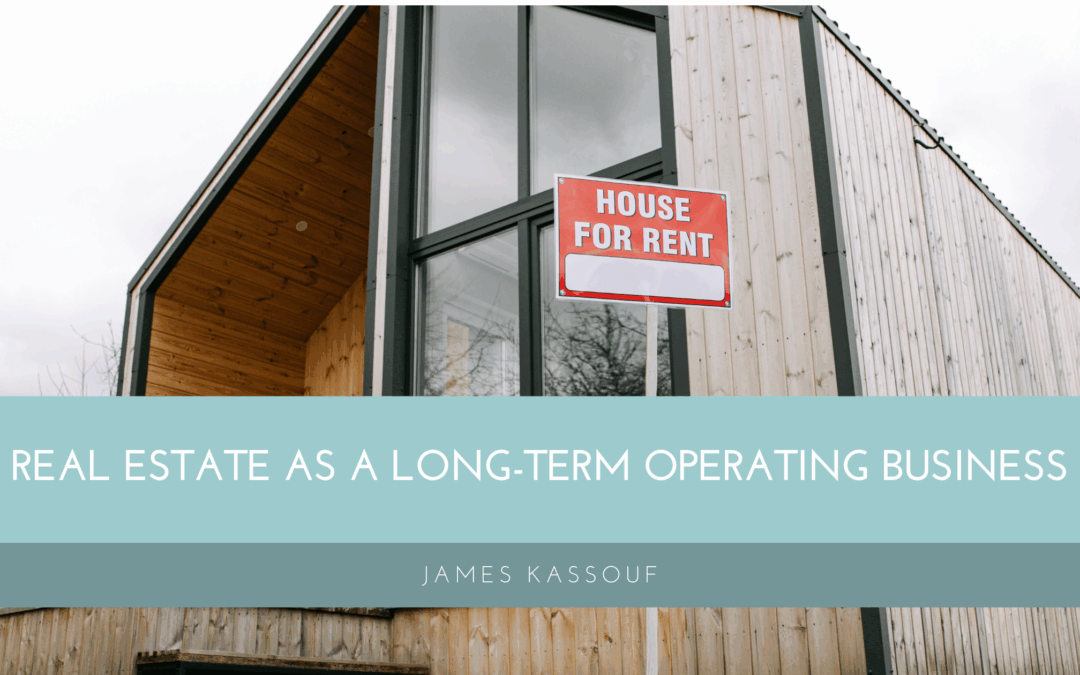
Real estate is often discussed in terms of assets, transactions, and market cycles. Yet the most enduring value in property is created when real estate is treated as a long-term operating business rather than a series of isolated deals. This perspective reshapes how assets are planned, managed, and positioned for sustained performance.
At the core of this shift is the recognition that buildings do not perform in isolation. Their success depends on how well they support the people and businesses that occupy them. Properties that deliver consistent experiences through thoughtful design, reliable operations, and responsive management tend to outperform peers across economic cycles. Occupant satisfaction directly influences retention, pricing power, and brand strength.
Operational discipline has therefore become a defining capability in modern real estate. From maintenance planning to leasing strategy, execution quality compounds over time. Small improvements in efficiency, energy use, and service delivery can materially impact net operating income and asset durability. Leading owners invest in systems and teams that enable visibility, accountability, and continuous improvement across the portfolio.
Market positioning is another critical element of long-term performance. Assets that are clearly defined in terms of audience, use, and value proposition are more resilient than those that attempt to appeal broadly. Whether residential, commercial, or mixed-use, successful properties communicate a clear purpose and deliver consistently against it. This clarity reduces vacancy risk and strengthens market identity.
Capital strategy also benefits from an operating mindset. When owners understand how assets generate value over time, capital decisions become more deliberate. Renovations, expansions, and technology upgrades are evaluated not only for near-term returns, but for their contribution to long-term relevance and competitiveness. This approach aligns capital allocation with enduring demand rather than short-term market sentiment.
Finally, real estate performance increasingly reflects management quality. In a market where access to capital and land is widely available, differentiation comes from execution. Owners who prioritize operational excellence, tenant experience, and strategic reinvestment are better positioned to navigate volatility and capture compounding value.
In an evolving real estate landscape, success belongs to those who think like operators and build with intent. Treating real estate as a living business rather than a static asset enables resilience, adaptability, and sustained growth over time.